

Amsterdam’s more intimate counterpart
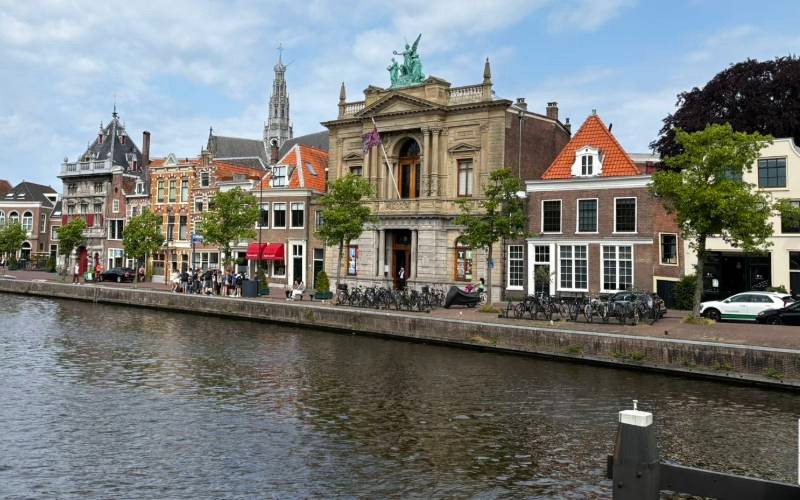
Just a short journey from Amsterdam lies Haarlem: a city that feels familiar, yet refreshingly calmer. Like Amsterdam, Haarlem flourished during the Dutch Golden Age; it grew rich through trade, craftsmanship, and culture. Today, that history is still beautifully visible — canals, cobblestone streets, and elegant gabled houses — but without the crowds.
Haarlem offers a more intimate, relaxed atmosphere. It’s the kind of place where history feels close, where you can wander at your own pace and truly take in the details.
To reach Haarlem is part of the experience. A quick and scenic train ride from Amsterdam Central Station brings you straight into the heart of the city in under 20 minutes. Would you prefer a more private journey? We can easiliy arrange a taxi transfer, which offers flexibility and comfort.
A historic city walk tailored to you
It’s best to experience Haarlem on foot, with a walking tour of its historic center. Together, we’ll explore scenic streets, hidden courtyards, and lively squares, each with their own stories to tell.
Highlights may include the grand market square, centuries-old churches, peaceful hofjes (courtyard gardens), and charming canals that rival those of Amsterdam — just on a smaller scale. Haarlem is home to a remarkable number of hofjes for a city of its size, and during a typical three-hour walk, it’s often possible to visit several of them — including the oldest hofje in the Netherlands.
What makes this experience unique is its flexibility. Whether your interests lie in art, history, architecture, World War II, or you wish to simply soak up the local atmosphere, we can decide together on the focus of the route and stories.
Frans Hals and the Haarlem school of painting
Haarlem has long been a city of artists, and one of its most famous names is Frans Hals. Known for his lively, almost modern-looking portraits, Hals captured the spirit of the Dutch Golden Age like few others.
His work stands out for its spontaneity and character—faces that feel alive, moments that feel real. For those with an interest in art, Haarlem offers a deeper look into this period, and into the painters who helped define it.
A visit to the Frans Hals museum can include stories about the artistic climate of the time, the role of Haarlem as a creative hub, and how it compared to cities like Amsterdam.
Corrie ten Boom and stories from WWII
Haarlem also holds powerful stories from more recent history. One of the most remarkable is that of Corrie ten Boom, who, together with her family, helped hide Jewish people during World War II.
Her story is one of courage, resistance, and humanity in the face of danger. After the war, she moved to the United States, where she spent much of her later life sharing her story through a deeply personal message of faith, resilience, and forgiveness. Her work resonated strongly with American audiences, particularly within Christian communities, where she became widely known.
In case you have a specific interest in the topic, this part of the tour can expand into broader insights about Haarlem during the war, resistance networks, and everyday life under occupation.
Windmill De Adriaan
No Dutch city is complete without a windmill, and De Adriaan offers a striking presence along the river Spaarne.
Originally built in the 18th century as an industrial windmill, De Adriaan served various purposes over time, including grinding grain. Destroyed by fire and later carefully reconstructed, it stands today as a symbol of Dutch ingenuity and resilience.
A visit here offers insight into the broader role windmills played in daily life—not only in water management, but also in industry and trade. From this spot, you also enjoy beautiful views over the river and the surrounding historic city.
Tulips and the origin of the Bulb Region
Haarlem also plays a surprising and important role in one of the Netherlands’ most iconic symbols: tulips.
During the Dutch Golden Age, Haarlem became a center for tulip cultivation and trade. It was here that early bulb growers and merchants developed the bulb – and flower industry, and where the famous period of “Tulip Mania” took place in the 17th century.
From Haarlem, the cultivation of tulip fields expanded into the surrounding sandy soils—laying the foundation for what is now known as the Bollenstreek, the world-famous bulb-growing region stretching south along the coast.
For visitors, this adds another layer to the experience: Haarlem is not only a historic city in its own right, but also the gateway to the landscapes that define Dutch spring.
A flexible experience, based on your interests
As with all our tours, this Haarlem experience can be customized to your interests. Whether you’d like to focus more on art, history, hidden gems, or simply enjoy a relaxed day outside Amsterdam, we’ll shape the itinerary together.
Haarlem can be visited as a half-day or full-day experience, and easily combined with other destinations depending on your plans.